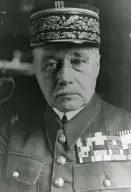
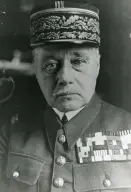
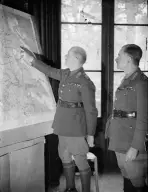
General , commander-in-chief of the French armies since 20 May 1940, has gone north to save the trapped Allied armies. On 21 May, at , he sets out his plan to King of the Belgians and General : the northern forces are to attack southward while those on the Somme push north, so as to cut the Panzer corridor. , commander of the British Expeditionary Force, is not present.
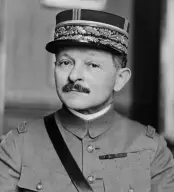
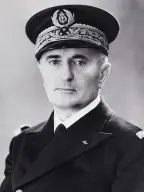
Since 12 May Billotte has been responsible for coordinating the French, British and Belgian armies engaged in Belgium. But he lacks the staff and the experience for such a task, and Weygand finds him dejected, marked by 2 weeks of fatigue and anxiety.
Yet the plan demands a firm hand. Cut off from Vincennes, the northern armies can barely communicate with the high command, and 3 national headquarters must act together, to a fixed timetable, under German pressure.
Weygand must decide: keep Billotte as sole coordinator, for lack of time to change men; designate clear deputies in advance to guard against any failure; or decentralise decision-making among the national commanders, , King and the French generals.
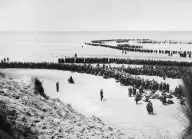
Weygand keeps Billotte as sole coordinator and leaves without having met . During the night of 21–22 May, after the conference, Billotte's car, travelling fast, hits a military lorry at , near Bailleul; gravely injured, he dies on 23 May in the hospital at without regaining consciousness. The northern armies lose their coordinator at the most critical moment: the news is slow to reach the British and Belgian headquarters, and it takes several days for General to succeed him. On the evening of 25 May Gort abandons the attack southward and moves his divisions north, the prelude to the evacuation through Dunkirk, and the concerted counter-attack of the never materialises. The episode shows the fragility of coordination entrusted to a single man: the loss of Billotte is enough to paralyse a coalition on the brink.
T03-143