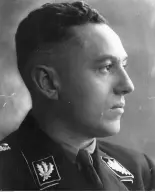
The Reich Central Office for Jewish Emigration
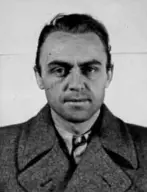
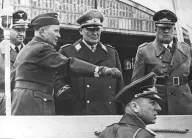
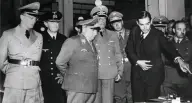
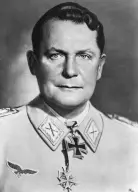
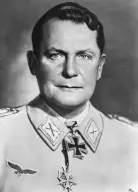
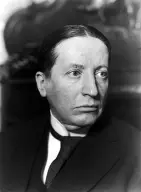
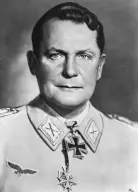
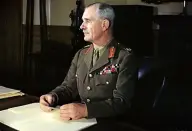
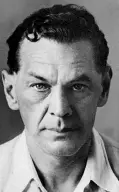
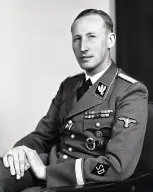
Hermann Göring and Reinhard Heydrich
War crimesPoliticsAxis
Hermann Göring and Reinhard Heydrich
War Industry Commission and factory management
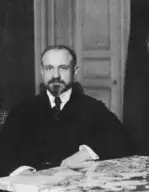
Juan Negrín, Prime Minister of the Spanish Republic
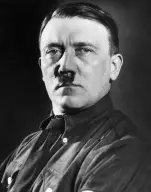
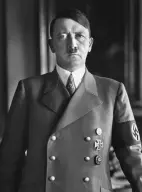
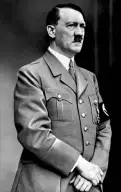
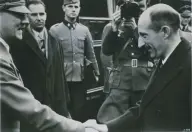
Adolf Hitler, Chancellor of the Reich
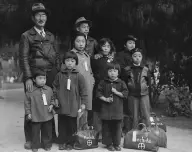
You play a German Jewish family
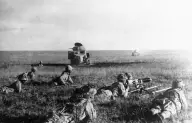
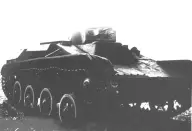
Mikhail Koshkin, chief engineer of the design bureau at Factory No. 183
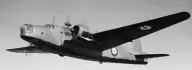
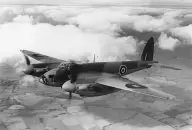
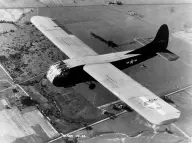
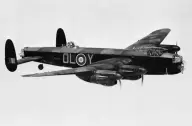
Barnes Wallis and Vickers-Armstrongs
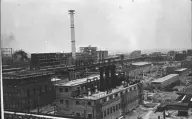
IG Farben and the Reich Ministry of Economics
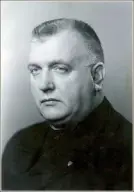
Msgr Jozef Tiso, leader of the Slovak autonomists
Emil Hácha, President of Czecho-Slovakia
An Austrian railwayman from Linz
You play a Czech of Bohemia
IG Farben and the Four-Year Plan administration (Göring)
Juozas Urbšys, Lithuanian Minister of Foreign Affairs
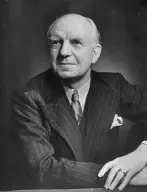
Montagu Norman, Governor of the Bank of England
You play a young Briton
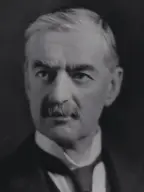
Neville Chamberlain, British Prime Minister
King Zog I of Albania
US Army Air Corps and the bombsight industry
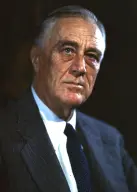
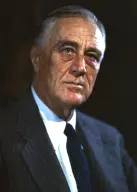
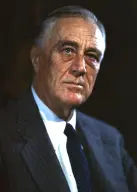
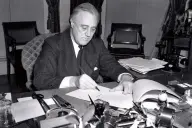
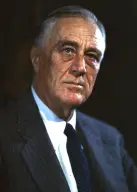
Franklin D. Roosevelt, President of the United States
You play an uncommitted German
Artillery Directorate and Armament Factories
Adolf Hitler, Chancellor of the Reich
A Jewish Viennese lawyer struck from the bar
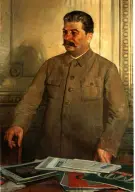
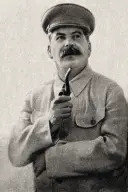
Joseph Stalin, General Secretary of the Communist Party of the USSR
The Chinese Nationalist authorities and the civil defence of Chongqing
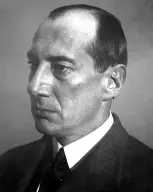
Józef Beck, Foreign Minister of Poland
People's Commissariat for Heavy Industry and Donbass miners
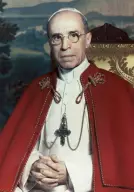
Pope Pius XII (Eugenio Pacelli)
The command of the Japanese Kwantung Army (Guandong)
Captain Gustav Schröder, master of the liner St. Louis
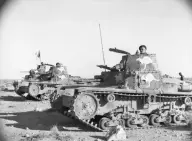
Fiat-Ansaldo design office and the Regio Esercito
Malcolm MacDonald, British Secretary of State for the Colonies
King George VI and the British government
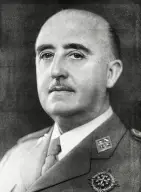
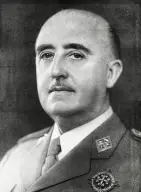
General Francisco Franco, Head of the Spanish State
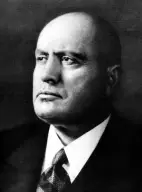
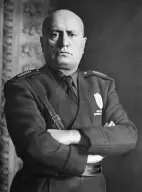
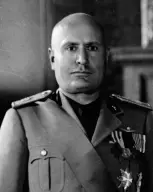
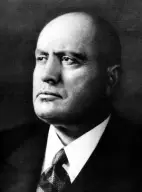
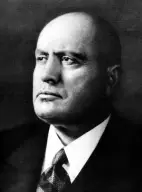
Benito Mussolini, Head of the Italian Government
Adolf Hitler, Chancellor of the Reich
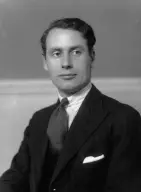
Leslie Hore-Belisha, British Secretary of State for War
Benito Mussolini, Head of the Italian Government
You play a Viennese Jewish family
The French government (Édouard Daladier)
Fokker and the Luchtvaartafdeling (Dutch military aviation)
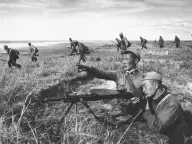
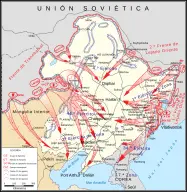
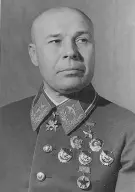
Georgy Zhukov, commander of the Soviet corps in Mongolia
The British government (and Ambassador Robert Craigie)
You play German Jewish parents
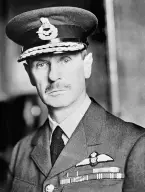
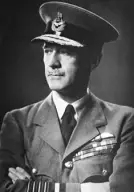
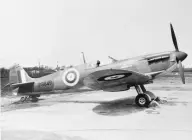
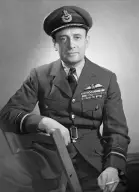
Air Chief Marshal Hugh Dowding, head of Fighter Command
Oil companies and Dutch East Indies authorities
A Czech notary in Prague
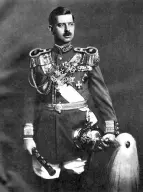
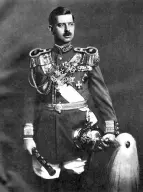
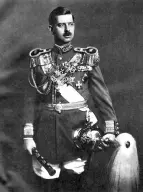
King Carol II of Romania
The British government (Chamberlain and Halifax)
Georgy Zhukov, commander of the Soviet corps in Mongolia
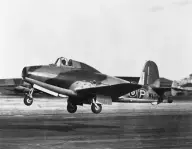
The British Air Ministry and Frank Whittle (Power Jets)
The Polish government (Józef Beck)
The Royal Air Force staff and the Air Ministry
The Swiss Federal Council
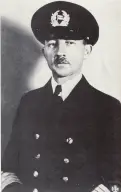
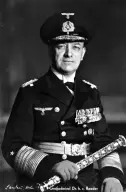
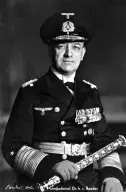
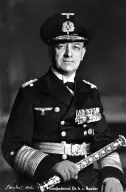
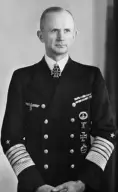
Grand Admiral Erich Raeder, head of the Kriegsmarine
Franklin D. Roosevelt, President of the United States
Edvard Beneš, former President of Czechoslovakia
General Maurice Gamelin, Chief of Staff of National Defence
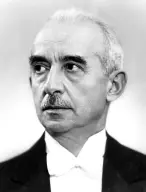
İsmet İnönü, President of the Republic of Turkey
Marshal Edward Rydz-Śmigły, Inspector General of the Polish Armed Forces
Major Gwido Langer, head of the Polish Cipher Bureau (BS-4)
You play a German family
Robert Menzies, Prime Minister of Australia
An ordinary Viennese household living next to a Jewish family
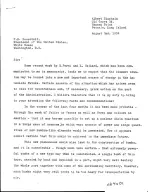
Leó Szilárd and Albert Einstein, physicists
You play a London family
You play a British conscientious objector
The heads of the Allied military mission (Admiral Drax, General Doumenc)
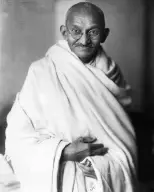
The Indian National Congress (Gandhi and Nehru)
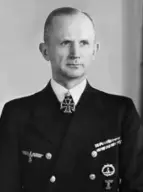
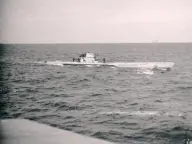
Commodore Karl Dönitz, commander of the submarine arm
Georgy Zhukov, commander of the Soviet corps in Mongolia
Adolf Hitler, Chancellor of the Reich
Joseph Stalin, leader of the USSR
William Shirer, American correspondent in Berlin
Lord Halifax and the British government
Benito Mussolini, head of the Italian government
Jacques Jaujard, deputy director of the Musées nationaux, and the staff of the Louvre
Adolf Hitler, Chancellor of the Reich
The Four Year Plan administration under Hermann Göring
The Japanese government (Hiranuma cabinet)
The Polish command (Marshal Rydz-Śmigły)
The British government (Ambassador Nevile Henderson)
Commander Roman Stankiewicz, chief of the Polish destroyer flotilla
You play a British family
SS-Sturmbannführer Alfred Naujocks, SD agent
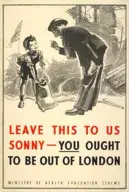
Walter Elliot, British Minister of Health, responsible for civilian evacuation
Major Henryk Sucharski, commander of the Polish garrison at Westerplatte
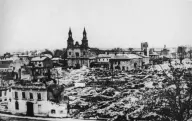
Civilians and local authorities of Wieluń
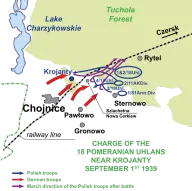
Colonel Kazimierz Mastalerz, commanding the 18th Pomeranian Uhlan Regiment
Lieutenant Konrad Guderski, military commander of the Polish Post Office in Danzig
Colonel Julian Filipowicz, commanding the Volhynian Cavalry Brigade
Major Henryk Dobrzański "Hubal", commanding the separate detachment
Captain Stanisław Janik, commanding the Tczew engineer detachment
Benito Mussolini, Italian Prime Minister (Duce)
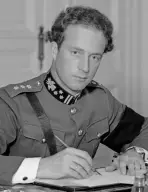
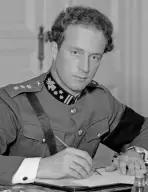
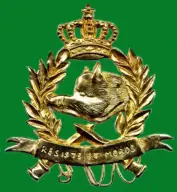
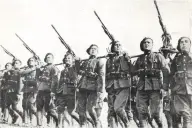
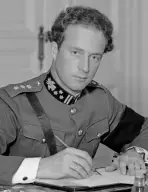
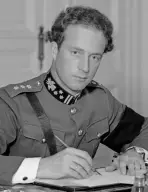
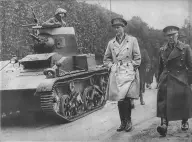
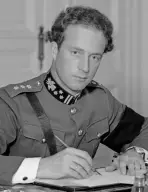
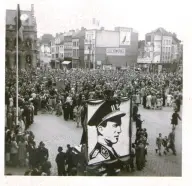
Leopold III, King of the Belgians
Polish schoolmaster
Lieutenant Colonel Maria Wittek, commanding the Women's Military Training organisation (PWK)
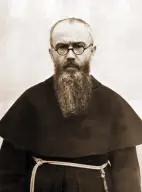
Father Maximilian Kolbe, OFM Conv., superior of the Franciscan monastery of Niepokalanów
Christian X, King of Denmark and Iceland
Second Lieutenant Władysław Gnyś, 121st Polish Fighter Squadron
Per Albin Hansson, Prime Minister of Sweden
Rolls-Royce management and the Air Ministry
Geoffrey de Havilland and the de Havilland management
Kriegsmarine and Commodore Karl Dönitz
Volkswagenwerk and the German Command
French Army Command (doctrine and signals)
French military command and civil authorities of Alsace
National Resources Commission, Nationalist government
Wolfram von Richthofen, commander of the close air support corps (Fliegerführer z.b.V.), Luftwaffe
A baker in Wieluń, a small, undefended Polish town
An inspector of the Free City of Danzig police
A German customs official at the port of Danzig
Wanda Wasilewska, Polish writer and communist activist
General Joseph Vuillemin, Chief of the General Staff of the Armée de l'Air
Bishop Stanisław Adamski, bishop of Katowice
Albert Speer, Hitler's personal architect and Generalbauinspektor für die Reichshauptstadt
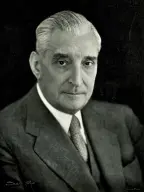
António de Oliveira Salazar, Prime Minister of Portugal
Bernardino Nogara, financial adviser to the Vatican
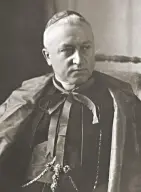
Cardinal August Hlond, Primate of Poland, Archbishop of Gniezno and Poznań
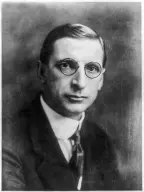
Eamon de Valera, Taoiseach (Prime Minister) of Eire
SS-Sturmbannführer Max Pauly, first commandant of Stutthof
A draftee of the conscript class assigned to the Maginot Line
Neville Chamberlain, British Prime Minister
Civilian population and local authorities of Bydgoszcz
Belgian government and King Leopold III
A London School of Economics student
Air Chief Marshal Edgar Ludlow-Hewitt, commander-in-chief of Bomber Command
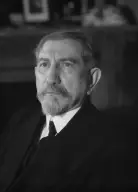
Charles Maurras, leader of Action française and journalist
Ignacy Matuszewski, former Polish Minister of Finance, and Halina Konopacka, Olympic champion
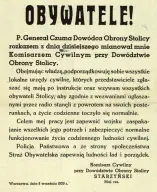
Stefan Starzyński, President (Mayor) of Warsaw
Adam Stefan Sapieha, Metropolitan Archbishop of Krakow
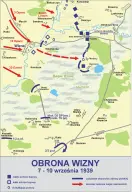
Captain Władysław Raginis, commander of the Wizna fortified sector
General Maurice Gamelin, Chief of the General Staff of French National Defence
Colonel Stanisław Maczek, commanding the 10th Motorised Cavalry Brigade
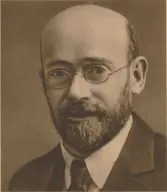
Henryk Goldszmit, known as Janusz Korczak, paediatrician and director of an orphanage
Ludolf von Alvensleben, commander of the Selbstschutz in West Prussia
General Tadeusz Kutrzeba, commanding the Poznań Army
Rear Admiral Józef Unrug, commanding the Polish Fleet and coastal defence
Kazimierz Pużak, secretary-general of the underground PPS (WRN)
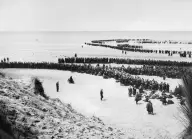
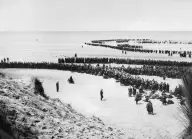
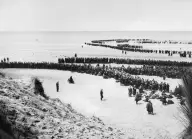
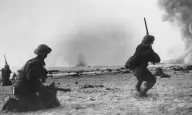
British soldier of the Expeditionary Force
General Władysław Langner, commanding the defence of Lwów
General Wiktor Thommée, commanding the defence of the Modlin fortress
General Juliusz Rommel, commander of the Army of Warsaw
Lieutenant Commander Jan Grudziński, second-in-command and later captain of the ORP Orzeł
General Konstanty Plisowski, commanding the defence of Brześć fortress
Lieutenant-Commander Bogusław Krawczyk, commanding the ORP Wilk
General John Standish Surtees Prendergast Vereker, Viscount Gort, commander-in-chief of the BEF
Charles A. Lindbergh, American aviator and isolationist activist
Department of the Interior and the American aluminum industry
French economic envoy in London (mission entrusted by Édouard Daladier)
Belgian government, Minister of Foreign Affairs Paul-Henri Spaak
Marshal Edward Rydz-Śmigły, Polish commander-in-chief
Ignacy Moscicki, President of the Polish Republic
Jozef Beck, Polish Foreign Minister
Captain William Tofield Makeig-Jones, commanding HMS Courageous
Miklos Horthy, Regent of the Kingdom of Hungary
General Tadeusz Piskor, commanding Army Lublin
Konstantin Päts, President of the Republic of Estonia
Lavrenty Beria, People's Commissar for Internal Affairs (NKVD)
Civilian defenders and scouts of Grodno
Stefan Starzyński, Civil Commissioner and Mayor of Warsaw
Franklin D. Roosevelt, President of the United States
Reinhard Heydrich, chief of the Sicherheitspolizei and the SD
Adam Czerniaków, engineer, senator, president of the Council of the Jewish Community of Warsaw
William S. Morrison, British Minister of Food
A chief physician in a Warsaw hospital during the siege
An intelligence officer of the Polish Oddział II
Włodzimierz Antoniewicz, Rector of the University of Warsaw
Edouard Daladier, President of the French Council
Joachim von Ribbentrop, German Foreign Minister
General Michal Karaszewicz-Tokarzewski, founder of the Sluzba Zwyciestwu Polski
General Władysław Anders, commander of the Nowogródek Cavalry Brigade
General Władysław Sikorski, Prime Minister of the Polish government in exile
Colonel Stanisław Sosabowski, commander of the Polish 21st Infantry Regiment
General Wilhelm Orlik-Rückemann, commanding the Border Protection Corps (KOP)
Karl Schnurre, German economic negotiator
Karlis Ulmanis, President and Prime Minister of Latvia
SKF (Svenska Kullagerfabriken) and the Swedish trade authorities
Germany, Reich Ministry of Economics
A senior official at the Mines Department (Board of Trade)
A German medical student
General Franciszek Kleeberg, commanding the Independent Operational Group Polesie
Adolf Hitler, Chancellor of the Reich
Arthur Greiser, Gauleiter and Reichsstatthalter of the Reichsgau Wartheland
Albert Forster, Gauleiter and Reichsstatthalter of the Reichsgau Danzig-Westpreußen
Hans Drechsel, German commissioner of the Piotrkow district, and Zalman Tenenberg
Antanas Smetona, President of the Republic of Lithuania
Hans Frank, Generalgouverneur of Poland, and SS-Brigadeführer Bruno Streckenbach
Kapitänleutnant Günther Prien, commanding U-47
Edgar Sengier, managing director of the Union Minière du Haut-Katanga
A Parisian barber
Pomeranian Volksdeutsche
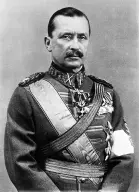
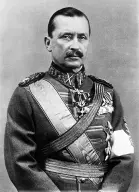
Marshal Carl Gustaf Emil Mannerheim, President of the Finnish Defence Council
Hermann Goering, Generalfeldmarschall, head of the Four-Year Plan
Abe Nobuyuki Cabinet — Ministry of Commerce and Industry
Werner Lorenz, head of the Volksdeutsche Mittelstelle (VoMi)
Pius XII (Eugenio Pacelli), pope
Generalleutnant Erich von Manstein, chief of staff of Heeresgruppe A
General Józef Zając, commander of the Polish Air Force re-formed in France
Sumner Welles, American Under-Secretary of State
Hans Frank, Reich Minister without portfolio, future Generalgouverneur
Pierre-Eugène Fournier, Governor of the Banque de France
The Roosevelt Administration and the U.S. Congress
Generaloberst Walther von Brauchitsch, Commander-in-Chief of the Army
Aleksander Kamiński, editor-in-chief of the Biuletyn Informacyjny
Stanisław Pigoń, professor of Polish literature, and Tadeusz Lehr-Spławiński, rector of the Jagiellonian University
Polish student in Kraków
General Kazimierz Sosnkowski, minister without portfolio in the Polish government-in-exile
Heinrich Himmler, Reichsführer-SS and Chief of the German Police
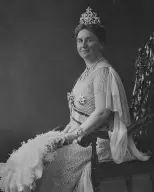
Queen Wilhelmina of the Netherlands
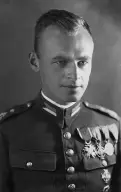
Captain Witold Pilecki, reserve cavalry officer
SS-Sturmbannführer Walter Schellenberg, SD operations chief on the Dutch border
Adolf Hitler, Chancellor of the Reich and Supreme Commander of the Wehrmacht
A Polish schoolteacher from Poznań
A Czech professor at Charles University in Prague
A Czech medical student at Charles University
Lieutenant Commander John Ouvry, mine disposal officer at HMS Vernon
Captain Edward Coverley Kennedy, commanding HMS Rawalpindi
Pius XII (Eugenio Pacelli), Pope
Aimo Cajander, Prime Minister of Finland, and his government
Maciej Rataj, former President of the Polish Sejm
Fanni Luukkonen, president of the Lotta Svärd Central Union
Captain Antti Pennanen, commanding the frontier garrison of Petsamo
General Kurt Martti Wallenius, commanding the Lapland Group
Helsinki civilians and the civil defence authorities
Pekka Tiilikainen, reporter for Yleisradio (Yle)
Yakov Smushkevich, head of the VVS RKKA (Soviet air force)
Inspectorate of Tanks of the French Army
A Jewish schoolteacher from the Kazimierz district of Kraków
Otto Wille Kuusinen, Secretary of the Comintern, designated by Moscow to lead a Finnish "People's Government"
Commander of the garrison of a Maginot Line ouvrage
Colonel Roine Lagus, commanding the Finnish Salla Brigade
Risto Ryti, Governor of the Bank of Finland, becomes Prime Minister
Eljas Erkko, Finnish Minister of Foreign Affairs
Rickard Sandler, Swedish Minister of Foreign Affairs
Lord Halifax, British Foreign Secretary
Carol II, King of Romania
Dragiša Cvetković, Yugoslav Prime Minister
Aimo Lahti, chief engineer of the Tikkakoski arms factory
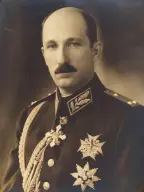
Boris III, Tsar of the Bulgarians
General Marian Kukiel, commanding the 1st Polish Brigade in Britain
You play a French soldier of the Phoney War
Colonel Hjalmar Siilasvuo, commanding the Finnish 9th Division
Colonel Antero Svensson, commanding the 12th Finnish Division
Adolf Hitler, facing the plan of Vidkun Quisling, leader of the Nasjonal Samling
Lieutenant Colonel Aaro Pajari, commanding Battle Group P
Commodore Henry Harwood, commanding Force G of the South American Division
Joseph Avenol, Secretary-General of the League of Nations
Polish student
Infantry Directorate, Ministry of War
Kapitän zur See Hans Langsdorff, commanding the Admiral Graf Spee
Corporal Simo Häyhä, sniper in the Finnish 34th Infantry Regiment
Sergeant Ilmari Juutilainen, fighter pilot in LeLv 24
Joseph Stalin, General Secretary of the Communist Party of the Soviet Union
Finnish soldier on duty
Colonel Antero Vuokko, commanding the Finnish Kuhmo Brigade
Major General Aleksei Vinogradov, commanding the Soviet 44th Motorised Division
Marshal Carl Gustaf Emil Mannerheim, Finnish commander-in-chief
Léopold III and the Belgian government
You play a British or French housewife
General Zygmunt Bohusz-Szyszko, commander of the Samodzielna Brygada Strzelców Podhalańskich
Major Hellmuth Reinberger, staff officer of the German 7th Airborne Division
The Belgian high command
Konteradmiral Karl Dönitz, head of the German U-boat fleet (BdU)
General Maurice Gamelin, French commander-in-chief
The Allied economic-warfare command
You play a mobilised Belgian soldier
You play a French listener faced with enemy radio
General Antoine Béthouart, commanding the High Mountain Brigade
You play a French civilian on the home front
Adolf Hitler, Chancellor of the Reich
Army Commander 1st Rank Semyon Timoshenko, commanding the Soviet North-Western Front
The French propaganda services
The Supreme Inter-Allied Council (France, United Kingdom)
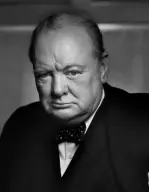
Winston Churchill, First Lord of the Admiralty
Erich von Manstein and the German high command
Senior officer still fit for duty aboard HMS Sphinx, after the death of her captain
General Maxime Weygand, commander-in-chief in the Levant, and Lord Hankey, British coordinating minister
Paul Reynaud, French Minister of Finance
Hans Biebow, administrative head (Gettoverwaltung) of the Łódź ghetto
Ivan Serov, People's Commissar for Internal Affairs of the Ukrainian SSR, commander of NKVD operations in eastern Poland
Väinö Tanner, Finnish Minister of Foreign Affairs
The Polish and Czechoslovak servicemen in exile
Benito Mussolini and the Italian government (Under-Secretariat for War Production)
Captain Philip Vian, commanding HMS Cossack
Major-General Paavo Talvela, commanding the Vyborg sector
The Deuxième Bureau (French military intelligence)
Raoul Dautry, Minister of Armament
Per Albin Hansson, Prime Minister of Sweden
Sumner Welles, US Under-Secretary of State
Karelian families
Field Marshal Carl Gustaf Emil Mannerheim, commander-in-chief
Adolf Hitler with Raeder, Falkenhorst, Jodl
General Maurice Gamelin, Allied Commander-in-Chief (French)
Haakon VII, King of Norway
Sumner Welles, US Under Secretary of State
Lavrenti Beria, People's Commissar for Internal Affairs, chief of the NKVD (Soviet)
Polish worker from Upper Silesia
The Daladier government and a Parisian consumer
Sumner Welles, US Under Secretary of State
Risto Ryti, Finnish Prime Minister, and Finnish delegation
Marshal Carl Gustaf Mannerheim, Finnish Commander-in-Chief
Benito Mussolini, head of the Italian government (Duce of Fascism)
Paul Reynaud, new French Président du Conseil
Winston Churchill, First Lord of the British Admiralty
General Motors leadership (Alfred P. Sloan, James D. Mooney, GM Overseas Operations), Detroit / New York
Neville Chamberlain, British Prime Minister
Lieutenant-Commander Gerard Roope, commanding HMS Glowworm
Christian X, King of Denmark, and the Stauning-Munch government
Adolf Hitler and the Reich leadership in Berlin
Generalleutnant Eduard Dietl, commanding 3. Gebirgs-Division
Colonel Birger Eriksen, commander of Oscarsborg fortress (Norwegian)
Hauptmann Richard Wagner, commanding the Luftwaffe transport group KGr z.b.V. 103
Officers of the Odderoya coastal fort, Kristiansand (Norwegians)
A Danish customs officer at Padborg
Haakon VII, King of Norway
Captain Bernard Warburton-Lee, commanding the 2nd Destroyer Flotilla
Squadron commander of Blackburn Skuas, Fleet Air Arm (British)
General Otto Ruge, Commander-in-Chief of the Norwegian army
Vice-Admiral William Whitworth, commanding the British Attack Force
Major-General Adrian Carton de Wiart, commanding 'Mauriceforce'
Direction of the Government Code & Cypher School (British)
Czech schoolteacher
Major-General Bernard Paget, commanding 'Sickleforce'
Adolf Hitler, head of the German state (decision applied to Oslo)
Admiral of the Fleet Lord Cork and Orrery, Allied commander at Narvik (British)
Neville Chamberlain and the British War Cabinet
A German official of the Litzmannstadt municipal administration
Maresciallo Italo Balbo, Governor-General of Libya and Commander-in-Chief in North Africa
An officer of the Luftwaffe planning staff (German)
You play a Belgian gendarme
The Allied security services facing the genuine agents
You play a refugee on the roads
The directors of the National Bank of Belgium
The German command in occupied Belgium
The Allied military command (movements and roads)
The Allied command (depots and stocks)
You play a French family
You play a prisoner on the roads
Governor and leadership of the Banque de France
The secretaries-general of the Belgian ministries
You play a foreign volunteer enlistee in the French army
Neville Chamberlain, British Prime Minister
Generalmajor Hans Oster, deputy chief of the Abwehr (German resistance)
Winston Churchill, First Lord of the Admiralty
Adolf Hitler with OKH
Oberleutnant Rudolf Witzig, commanding Sturmgruppe Granit
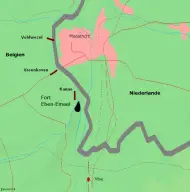
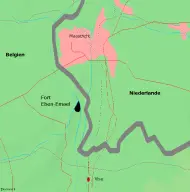
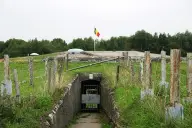
Major Jean Jottrand, commanding the garrison of Fort Eben-Emael, Belgian army
Lieutenant Crisse, officer of the 18th Belgian Line Regiment, guard of the Vroenhoven bridge
Lieutenant Beert and Captain Giddelo (demolition officer), 18th Belgian Line Regiment
Lieutenant Leon Rohling, officer of the 18th Belgian Line Regiment, guard of the Kanne bridge
Oberst Otto Sponheimer, commanding a Fallschirmjäger regiment, German army
Oberstleutnant Dietrich von Choltitz, 16. Infanterie-Regiment (22. Luftlande-Division), German army
Oberst Hans Heyser and Leutnant von Plessen, German airborne force at Valkenburg
Lieutenant-Colonel Govers, territorial commander of South Limburg, Dutch army
Generalleutnant Erich von Manstein, commanding the XXXVIII. Armeekorps in reserve, German
General Maurice Gamelin, generalissimo of Allied forces, French
Belgian family fleeing the invasion
Commandant Maurice Bricart, 1st Regiment of Chasseurs Ardennais
The Belgian general staff of the Ardennes covering position
The commander of the fort of Aubin-Neufchâteau (fortified position of Liège)
King Leopold III of the Belgians, commander-in-chief of the army
Walter Ganshof van der Meersch, Auditor General of Belgium
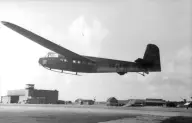
Lieutenant Rudolf Witzig, Luftwaffe gliders
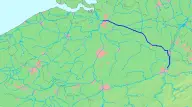
The Belgian engineers of the Albert Canal bridges
The Allied command (Gamelin, the Belgian general staff)
The Chasseurs Ardennais and the Belgian engineers
The command of the Belgian military aeronautics
General Kurt Student, German airborne troops
The German Brandenburg commandos
You play a resident of a Belgian town
The Luxembourg government and Grand Duchess Charlotte
Winston Churchill, the new British Prime Minister
Management of the Royal Dutch / Bataafsche Petroleum Maatschappij group
You play a military historian (retrospective perspective)
Generalleutnant Georg-Hans Reinhardt, commanding the XLI. Armeekorps, German
The command of the Belgian army
The Dutch command of the Grebbe line
General René Prioux, French Cavalry Corps
The Belgian command of the fortified position of Liège
The German advance guard at Houx
The crews of the RAF's Fairey Battle bombers
The garrison of the fort of Battice
The Belgian engineers on the Meuse (Namur, Dinant)
Mayor and municipal administration of Breda
Queen Wilhelmina of the Netherlands
General der Panzertruppe Heinz Guderian, commanding XIX. Panzerkorps
Generalmajor Erwin Rommel, commanding the 7. Panzer-Division, German
General Charles Huntziger, commanding the French 2nd Army
Colonel Marcel Portzert, commanding the 102e Demi-brigade d'Infanterie de Forteresse, French
Erwin Rommel, commander of the 7th Panzer Division
Queen Wilhelmine of the Netherlands
The artillery of the French 55th Infantry Division
General Georg-Hans Reinhardt, XXXXI Panzer Corps
The Luftwaffe command at Sedan
The assault infantry of the Grossdeutschland regiment
The French engineers of the Sedan sector
Oberst Walter Lackner, commanding KG 54 'Totenkopf'
General Pierre Lafontaine, commanding the 55th Infantry Division, French
General John Vereker, Lord Gort, commander-in-chief of the BEF, British
Generaal Henri Winkelman, Commander-in-Chief of the Dutch armed forces
The command of the French 1st Army
The Luftwaffe command
General Henri Winkelman, Dutch commander-in-chief
General André Corap, French 9th Army
The French command south of Sedan
The Belgian and French command of the Namur position
General Bruneau, French 1st Armoured Division
Air Chief Marshal Hugh Dowding (Fighter Command)
Gustave Joassart, managing director of the Fabrique Nationale de Herstal (deputy director René Laloux)
Management of the Wilton-Fijenoord shipyard (W. Wilton, C.H. Teschmacher, J.H.H. Verloop)
British Bomber Command
Captain Pierre Billotte, 1st company of the 41st BCC, French
Heinz Guderian, commander of the XIX Armoured Corps
The supply services of the German armoured divisions
Erwin Rommel, 7th Panzer Division
Generalmajor Erwin Rommel, commanding the 7. Panzer-Division, German
Colonel Charles de Gaulle, commanding 4e Division cuirassée de réserve
Adolf Hitler, Führer and supreme commander of the Wehrmacht, at his field headquarters
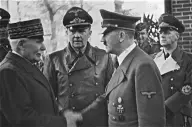
Marshal Philippe Pétain, French ambassador in Madrid, French
Hubert Pierlot, Prime Minister of Belgium
The authorities of Brussels
Colonel Charles de Gaulle, 4th Armoured Division
Ministry of Aircraft Production (Lord Beaverbrook) and the Nuffield Organization
Edouard Daladier, Minister of National Defence and War, French
Hauptmann Werner Mölders, Gruppenkommandeur of III./JG 53 'Pik As', Luftwaffe
General Maurice Gamelin, generalissimo on the way out, French
Belgian authorities and the crew of the trawler A4
Maxime Weygand, new French commander-in-chief
Civilians on the roads of the Somme
The French military escort of the internees transferred to Abbeville
Philips factory management and the Philips family
Major-General Harold Franklyn, commanding Frankforce, British
British Major-General Harold Franklyn (Frankforce)
General Maxime Weygand, commander-in-chief of the French armies
General Weygand and the Allied command
Generalleutnant Georg-Hans Reinhardt, commanding the XLI. Armeekorps, German
The British and French garrison of Boulogne
Brigadier William Fox-Pitt, commanding 20th Guards Brigade, British
Generalfeldmarschall Hermann Goering, Commander-in-Chief of the Luftwaffe, German
The Belgian high command on the Lys
Antoine de Saint-Exupéry, reconnaissance pilot captain, Groupe 2/33
Adolf Hitler with Rundstedt, von Brauchitsch, Halder
The German high command (Hitler, Rundstedt)
Brigadier Claude Nicholson, Calais garrison
Edward Wood, Lord Halifax, Foreign Secretary
Brigadier Claude Nicholson, commanding 30th Infantry Brigade, British
Heinrich Himmler, Reichsführer-SS (German)
Lord Gort, commander of the British Expeditionary Force
Paul Reynaud, French Président du Conseil
Vice-Admiral Bertram Ramsay, Flag Officer Dover
The British War Cabinet (Churchill, Halifax)
English civilian small-boat owners
Captain William Tennant, Senior Naval Officer at Dunkirk, British
SS-Hauptsturmführer Fritz Knöchlein, SS-Totenkopf (German)
The officers of the German 225th Infantry Division
Leopold III, commander-in-chief of the Belgian army
Winston Churchill, Prime Minister
Léopold III, King of the Belgians, commander-in-chief of the Belgian army
General Jean-Baptiste Molinié, commanding the 5th DINA
SS-Hauptsturmführer Wilhelm Mohnke, 7th company SS-Leibstandarte Adolf Hitler
General Antoine Bethouart and the British War Cabinet
Commandant Devos, fort of Tancrémont (Pepinster)
General Jean-Baptiste Molinié, French rearguard
You play an isolated Belgian soldier
General de Gaulle, 4th Armoured Division
Leopold III, King of the Belgians
The Pierlot government, abroad
You play a British soldier on the beach
A British soldier of the BEF on the beach at Dunkirk
You play a requisitioned British pleasure-boat owner
A British BEF gunner, the Dunkirk perimeter
Winston Churchill, British Prime Minister
The French rearguard troops at Dunkirk
Lieutenant-Colonel Roger Beauffrère, 21st Colonial Infantry Regiment
Benito Mussolini, head of the Italian government (Duce)
French soldiers evacuated to the United Kingdom
Jean-Paul Sartre, private 2nd class (meteorological service)
Marshal Rodolfo Graziani, commander-in-chief of Italian North Africa (Italy)
Franklin D. Roosevelt, President of the United States
Alexandre Galopin, governor of the Société Générale de Belgique
You play a Belgian war veteran
The editor-in-chief of a major Belgian daily
You play a Belgian family
You play a Belgian family, refugees in France
You play a French prisoner of war
You play a military analyst
You play a Belgian or French pilot
Admiral Darlan and the command of the French Navy
You play an analyst
You play a French colonial governor
Hannah Arendt, stateless German philosopher
A British rearguard officer, Dunkirk perimeter
A British military doctor, Dunkirk casualty clearing station
Vice-Admiral Bertram Ramsay, commanding at Dover
Winston Churchill, British Prime Minister
Charles de Gaulle, brigadier general (temporary rank)
General Robert Touchon, commanding French 6th Army
General Maxime Weygand, French commander-in-chief
Johan Nygaardsvold, Prime Minister of Norway
Air Chief Marshal Hugh Dowding, head of Fighter Command, British
Charles de Gaulle, Under-Secretary of State for War
Galeazzo Ciano, Italian Foreign Minister
Benito Mussolini, head of the Italian government (Duce)
Franklin D. Roosevelt, President of the United States
A Parisian family
Dordogne schoolteacher
A Walloon soldier held as a prisoner of war
Benito Mussolini, head of the Italian government
Jacques Jaujard, Director of the National Museums and the Louvre
Adrien Marquet, mayor of Bordeaux
The headmaster of a major Paris lycée relocated to the provinces
Pierre Caron, Director of the National Archives
General Henri Dentz, military governor of Paris
The government and the military governor of Paris
The command of the Maginot Line garrisons
Roger Langeron, Prefect of Police of Paris
Staff of the 87. Infanterie-Division (General von Studnitz)
French engineer officers
Antanas Smetona, President of the Republic of Lithuania
The French Council of Ministers (Reynaud, Pétain, Weygand)
Management of Schneider et Cie (under the direction of Eugène Schneider II) and the engineers of Le Creusot
Charles de Gaulle, Under-Secretary of State for War
Paul Reynaud, Prime Minister
Marshal Philippe Pétain, Prime Minister
Karlis Ulmanis, President of Latvia (with Konstantin Päts, President of Estonia)
Carl Vinson, Chairman of the House Naval Affairs Committee
Charles de Gaulle, general, former Under-Secretary of State for War
Marshal Philippe Pétain, Prime Minister
Romain Kacew (future Romain Gary), air force cadet
Jean Moulin, prefect of Eure-et-Loir
The British command of the evacuation (Operation Aerial)
Charles de Gaulle, general, former Under-Secretary of State for War
Edmond Michelet, Christian activist
General Władysław Sikorski, Polish Prime Minister in exile
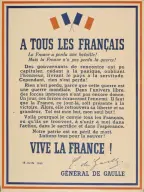
General de Gaulle, in London
Vice-Admiral Jules Le Bigot, maritime prefect of Cherbourg
Gilbert Renault (the future "Colonel Rémy")
General Georges Catroux, Governor-General of French Indochina
The British government
The German troops (Großdeutschland Regiment and SS-Totenkopf division) at Chasselay
Management of the Société nationale des chemins de fer belges (SNCB)
Captain Pierre-Jean Ronarc'h, commanding officer of the battleship Jean Bart
Admiral François Darlan, Chief of the Naval General Staff
General René Olry, Army of the Alps
A French parliamentarian
The Italian command on the Alpine front
French armistice delegation (General Huntziger, Léon Noël, Admiral Le Luc, General Bergeret)
Benito Mussolini, head of the Italian government (Duce)
Édouard Daladier, former President of the Council
Generale Pietro Pintor, commanding the Italian 1st Army (southern Alpine sector)
You command the garrison of Fort de la Turra, at Mont Cenis
General René Olry, commanding the Army of the Alps
Adolf Hitler, Chancellor of the Reich
General Charles Huntziger, head of the French armistice delegation
The French delegation and the German command
Paul-Louis Weiller, president of Gnome et Rhône, the largest aircraft engine manufacturer in Europe
Marshal Pietro Badoglio, Italian Chief of Staff
German delegation to the Wiesbaden armistice commission
The commanders of the Maginot Line works
Carol II, King of Romania
British Admiralty naval intelligence officers
Franklin D. Roosevelt, President of the United States
Marshal Philippe Pétain and his entourage
Bailiffs and authorities of the Channel Islands, British
René Cassin, jurist, professor of international law
You play a demobilised Belgian soldier
You play a Belgian or French woman
Winston Churchill, British Prime Minister
Grand Admiral Erich Raeder, commander-in-chief of the Kriegsmarine (Germany)
a German doctor recruited as an evaluator (Gutachter) of the T4 programme
a German-speaking Polish inhabitant of the annexed Warthegau
You play a Belgian worker
Adolf Hitler and the German high command
The administrators of the French Pacific territories
Kriegsmarine — German naval command in the occupied Netherlands
Materiel officer of the armistice army (unoccupied zone)
Admiral Marcel Gensoul, commanding the Force de Raid
Vice-Admiral James Somerville, commanding Force H
Franz Rademacher, head of the 'Jewish desk' (D III) at the German Foreign Ministry
The British Admiral James Somerville (Force H)
Admiral René-Émile Godfroy (Force X) and Admiral Cunningham
Marshal Philippe Pétain, Prime Minister
Admiral Inigo Campioni, commander of the battle fleet, Regia Marina (Italy)
Pierre Laval, Vice-President of the Council
Vincent Badie, Radical deputy for Hérault
The parliamentarians of the French National Assembly
Winston Churchill, British Prime Minister, and the War Cabinet
Hermann Röchling, Saarland steel magnate (Völklinger Hütte), administrator of iron and steel in occupied Lorraine
You play a Belgian burgomaster
You play a Belgian shopkeeper
You play a Jewish family, refugees in Belgium
Pierre Ryckmans, Governor-General of the Belgian Congo
You play a stricken Belgian family
The Belgian Commissariat for Repatriation
Belgian servicemen who took refuge in Great Britain
General management of the SNCF (Robert Le Besnerais)
Adolf Hitler, at the height of his power
Frank Knox, United States Secretary of the Navy
You play a Frenchman facing the National Revolution
A museum curator facing the ERR's plunder
Marc Bloch, historian, staff captain
Louis Renault, industrialist and head of the Renault factories
Major Adolf Galland, fighter group commander (III./JG 26), Luftwaffe (Germany)
commander of the German motor torpedo boat (S-27), Kriegsmarine (Germany)
British Channel naval command, Admiralty, British
Governor-General William Dobbie, commander-in-chief of Malta (United Kingdom)
Captain Henri Frenay, regular officer
RAF command facing exiled Polish fighter pilots, British
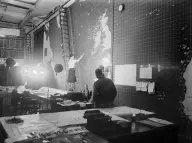
WAAF plotter and 11 Group controller, RAF, British
young RAF fighter pilot, British
Theo Osterkamp, Jagdfliegerführer 2 (head of Luftflotte 2 fighters) and ace of 1914-18 (Germany)
Reichsmarschall Hermann Göring, commander-in-chief of the Luftwaffe (Germany)
Georges Mandel, former Minister of the Interior
Major-General Alfred Godwin-Austen, commander of British Somaliland forces
Luftwaffe targeting staff (Germany)
The Luftwaffe command (Göring)
Sir Henry Tizard, chairman of the Aeronautical Research Committee, mandated by the War Cabinet
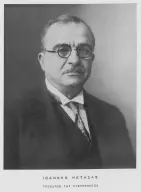
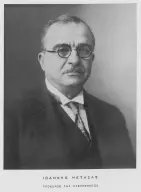
Ioannis Metaxas, President of the Council and dictator of Greece
You play a Belgian mother
You play a young Belgian tempted by collaboration
You play a Belgian listener
You play a Belgian family searching for a loved one
Pierre-Jules Boulanger, chairman of Citroën (Michelin group)
K.T. Keller, president of Chrysler Corporation
Luftwaffe high command facing Ju 87 losses (Germany)
General Archibald Wavell, commander-in-chief Middle East (United Kingdom)
Peng Dehuai, deputy commander of the 8th Route Army (Chinese communist)
You play a first Belgian resistance fighter
Winston Churchill and Bomber Command, British
Félix Éboué, Governor of Chad
Carol II, King of Romania, and the Romanian delegation (FM Mihail Manoilescu)
You play a Belgian family under the occupation
Refugee administration (retrospective perspective)
You play a Belgian schoolteacher
Pierre-Jules Boulanger, chairman and managing director of Citroën
Robert Puiseux and the Michelin management (Clermont-Ferrand)
Air Marshal Charles Portal, Commander-in-Chief of Bomber Command (RAF), United Kingdom
Lieutenant-Colonel T. A. 'Tar' Robertson, head of the double-agent section of MI5 (the Double-Cross system), United Kingdom
Franklin D. Roosevelt, President of the United States
Lord Beaverbrook, Minister of Aircraft Production
Carol II, King of Romania
Reichsmarschall Hermann Göring, commander of the Luftwaffe
Staff of the General Headquarters Home Forces (GHQ Home Forces), under General Alan Brooke
Air Chief Marshal Hugh Dowding, head of Fighter Command (RAF)
Vivian Van Damm, manager of the Windmill Theatre, London
General Peng Dehuai, deputy commander of the Communist 8th Route Army
General Archibald Wavell, British Commander-in-Chief Middle East
Marshal Rodolfo Graziani, commanding the Italian 10th Army
General Ion Antonescu, Conducător of Romania
RAF Marshal Sir John Salmond, chairman of the Night Air Defence Committee
Air Vice-Marshal Keith Park, commanding 11 Group, Fighter Command
Adolf Hitler, Reich Chancellor, and the high command
Admiral Jean Decoux, Governor-General of French Indochina
General Charles de Gaulle, leader of the Free French, and Admiral John Cunningham
Pierre Boisson, Governor-General of French West Africa (Vichy)
Josef Terboven, Reichskommissar for Norway
Yōsuke Matsuoka, Japanese Minister of Foreign Affairs
Deutsche Reichsbahn and Oberkommando der Wehrmacht (OKW)
Londoners under the bombs
Hubertus van Mook, Director of Economic Affairs of the Netherlands East Indies (Dutch delegation facing Japan), Netherlands/Netherlands East Indies
Raphaël Alibert, Keeper of the Seals of the French State
Franklin D. Roosevelt, President of the United States
Frank Whittle, Royal Air Force engineer
Benito Mussolini, Duce and head of the Italian government
General Francisco Franco, Head of the Spanish State (Caudillo)
Marshal Philippe Pétain, Head of the French State
Kapitänleutnant Hans Jenisch, commander of the submarine U-32, Kriegsmarine, Germany
Ioannis Metaxas, Prime Minister and dictator of Greece
Colonel Konstantinos Davakis, commanding the Pindus detachment
Franklin D. Roosevelt, President of the United States, candidate for a third term
Ioannis Metaxas, Prime Minister and dictator of Greece
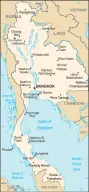
Plaek Phibunsongkhram, Prime Minister and Major General, Kingdom of Thailand
Wilhelm Canaris, admiral, head of the Abwehr (military intelligence), Germany
Adolf Hitler, Führer and Chancellor of the German Reich, Germany
Marinos Mitralexis, second lieutenant pilot, Royal Hellenic Air Force
Captain Edward Fegen, commanding the auxiliary cruiser HMS Jervis Bay
Arthur G. Hawkins, chief officer of the tanker MV San Demetrio, British merchant navy
Philippe Leclerc (de Hauteclocque), colonel, Free French Forces
Admiral Andrew Cunningham, Commander-in-Chief Mediterranean, and Rear-Admiral Lyster
Domenico Cavagnari, admiral, Under-Secretary of State for the Navy and Chief of Staff of the Regia Marina, Italy
Vyacheslav Molotov, People's Commissar for Foreign Affairs of the USSR
Adolf Hitler, Führer of the German Reich
Coventry civil defense services
Adam Czerniaków, chairman of the Warsaw Jewish Council (Judenrat)
Lord Beaverbrook (Minister of Aircraft Production) and the Air Ministry
Inigo Campioni, admiral commanding the battle squadron, Italian Regia Marina
Roman Catholic hierarchy (Holy Office) under the pontificate of Pius XII
Franz Halder, Generaloberst, Chief of the General Staff of the Army (OKH), Germany
Francisco Franco, Head of State (Caudillo), Spain
General Richard O'Connor, commanding the Western Desert Force
Marshal Philippe Pétain, Head of the French State
Adolf Hitler, Führer and Chancellor of the Reich, Germany
Adolf Hitler, Führer and supreme commander of the Wehrmacht
Benito Mussolini, Head of Government (Duce), Italy
Wilhelm Meisel, Kapitän zur See, commander of the heavy cruiser Admiral Hipper, Germany
Fire watchers of the City of London
Franklin D. Roosevelt, President of the United States
Inhabitants and defenders of Valletta
Franklin D. Roosevelt, President of the United States
Emile Regis, president of the Marseille chamber of commerce, and the Marseille oil-pressers
Major-General Iven Mackay, commanding the 6th Australian Division
Mao Zedong and the leadership of the Chinese Communist Party
Bogdan Filov, President of the Council (Prime Minister), Kingdom of Bulgaria
Franklin D. Roosevelt, President of the United States
William S. Knudsen, Director of the Office of Production Management
Lord Woolton, Minister of Food
Admiral Andrew Cunningham, Commander-in-Chief of the British Mediterranean Fleet, United Kingdom
Captain Denis Boyd, commanding the carrier HMS Illustrious
General Alexandros Papagos, Commander-in-Chief of the Greek Army
A destitute ghetto resident approached to become an informer
Charles Sorensen, head of production at Ford
Admiral Jean Decoux, Governor-General of French Indochina and commander of naval forces, France (Vichy)
Capitaine de vaisseau Régis Bérenger, commanding French naval forces in Indochina
Luigi Frusci, General of an Army Corps, commander of the Eritrea sector, Italian East Africa
General William Platt, commanding British forces in Sudan
Emperor Haile Selassie I, sovereign of Ethiopia in exile
Major-General Iven Mackay, commanding the 6th Australian Division
General Ion Antonescu, Conducător of Romania
Benito Mussolini, head of the Italian government (Duce)
Alexandros Koryzis, Metaxas's successor as head of the Greek government
American and British staff delegations (ABC conversations), United States / United Kingdom
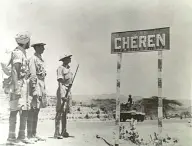
General Nicolangelo Carnimeo, commanding the Italian defence of Keren
General Alan Cunningham, commanding British forces in East Africa
Jesse Jones, chairman of the Reconstruction Finance Corporation (RFC) and head of the Rubber Reserve Company
General Richard O'Connor, commanding XIII Corps (Western Desert Force)
Generalleutnant Erwin Rommel, commanding the Deutsches Afrikakorps
Vice-Admiral Günther Lütjens, commanding the German battlecruiser squadron (Operation Berlin), Germany
Vice-Admiral James Somerville, commanding Force H
British airborne forces staff (No. 11 SAS Battalion), United Kingdom
Kapitän zur See Wilhelm Meisel, commander of the heavy cruiser Admiral Hipper, Germany
Prince Paul of Yugoslavia, Regent of the Kingdom of Yugoslavia
General Archibald Wavell, Commander-in-Chief Middle East
Otto Ambros, director of IG Farben's synthetic rubber (Buna) program, tasked by Carl Krauch with deciding the location
Militants of the underground Dutch Communist Party
Tsar Boris III of Bulgaria
Richard Sorge, Soviet intelligence agent under cover as a journalist
Leadership of the Kriegsmarine and of Reich propaganda, German
Hermann Göring, head of the Four-Year Plan
Brigadier Joseph Charles Haydon, commanding the Commando raiding force
İsmet İnönü, President of the Republic of Turkey
Franklin D. Roosevelt, President of the United States
Franklin D. Roosevelt, President of the United States
Benito Mussolini, head of the Italian government (Duce)
Filipp Golikov, general, head of military intelligence (GRU), USSR
Joseph Stalin, General Secretary of the Communist Party, leader of the USSR
Tadeusz Pankiewicz, Polish pharmacist of the Apteka pod Orłem
Generalleutnant Erwin Rommel, commanding the Deutsches Afrikakorps
General Dušan Simović and the officers of the Yugoslav air force
Admiral Andrew Cunningham, commanding the British Mediterranean Fleet
Luigi Frusci, major-general, Italian military governor of Eritrea
The German administration of the ghetto (Kommissar Heinz Auerswald, Transferstelle)
Archibald Wavell, general, British Commander-in-Chief Middle East
Pál Teleki, Prime Minister of the Kingdom of Hungary
Subhas Chandra Bose, Indian nationalist leader
Feldmarschall Wilhelm List, commanding the German 12th Army
Inhabitants of Belgrade, declared an open city
General Richard O'Connor, adviser to the Cyrenaica command
Georgios Douratsos, major, commander of the Roupel fort, Greek army
Croatian officer of the 108th regiment of the Royal Yugoslav Army, Yugoslav
Lieutenant-General Konstantinos Bakopoulos, commander of the Army Section of Eastern Macedonia, Greek
Ante Pavelić, Poglavnik of the Independent State of Croatia
Major-General Leslie Morshead, commanding the Tobruk garrison
Joseph Stalin, General Secretary of the Communist Party, leader of the USSR
Alexandros Koryzis, Prime Minister of Greece
Lieutenant-General Georgios Tsolakoglou, commander of the Army Section of Epirus, Greek
Lieutenant-General Bernard Freyberg and the rearguard of the expeditionary corps (W Force)
King George II and Emmanouil Tsouderos, Prime Minister of Greece
Grand Admiral Erich Raeder, head of the Kriegsmarine, German
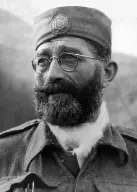
Colonel Dragoljub 'Draža' Mihailović, officer of the Royal Yugoslav Army, Serb
Air Vice-Marshal Harry Smart, commanding the RAF base at Habbaniya
Lord Woolton, Minister of Food of the United Kingdom
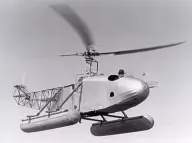
Igor Sikorsky, Russian émigré aeronautical engineer
Commander Joe Baker-Cresswell, captain of the destroyer HMS Bulldog
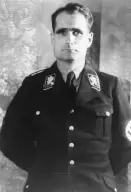
Rudolf Hess, Deputy to the Führer
London civil defence services and firemen
Clandestine trade union and communist militants of the Liège basin
Miner in the Campine coalfield (Belgian Limburg)
Adolf Hitler and the Wehrmacht high command (OKW/OKH)
Frank Whittle, Royal Air Force engineer, Power Jets Ltd
A Cambridge mathematician recruited to Bletchley Park
Amedeo of Savoy, Duke of Aosta, Viceroy of Italian East Africa
General der Flieger Kurt Student, commanding the XI Air Corps
Lieutenant-Colonel Leslie Andrew, commanding the New Zealand 22nd Battalion
A Cretan villager
Major-General Bernard Freyberg, commander of the Allied forces in Crete, New Zealander
Vice-Admiral Lancelot Holland, commanding the British battle squadron
Admiral John Tovey, commanding the Home Fleet
Franklin D. Roosevelt, President of the United States
Underground coal miners of the Nord-Pas-de-Calais coalfield
Admiral François Darlan, Vice-President of the Council of Vichy, French
A London housewife
Eberhard von Stohrer, German Ambassador to Spain
You play a woman from Menton evacuated in June 1940
General Henri Dentz, Vichy High Commissioner in the Levant
General Archibald Wavell, Commander-in-Chief Middle East
Walter Dürrfeld, engineer at IG Farben
Erich Müller, head of the artillery design office at Krupp, Essen
Adolf Hitler, head of the Reich, and the German high command
You play the commander of a Soviet frontier sector
Wehrmacht officers on the Eastern Front, recipients of the Commissar Order
General Mikhail Kirponos, commanding the Soviet South-Western Front
Ernest Bevin, Minister of Labour and National Service
Lazar Kaganovich, People's Commissar for Transport and chairman of the Evacuation Council
Risto Ryti, President of Finland, and Marshal Mannerheim
SS-Brigadeführer Franz Walter Stahlecker, commander of Einsatzgruppe A
A schoolteacher in Belarus facing the invasion
Major Pyotr Gavrilov, commander of the 44th Rifle Regiment, in charge of the East Fort of the Brest fortress
Georges Bégué, Special Operations Executive radio operator parachuted into France
Winston Churchill, British Prime Minister
Einsatzgruppe C and local nationalist auxiliaries
Herbert Backe, State Secretary for Food Supply, and the SS planners
Prince Fumimaro Konoe, Prime Minister of Japan
Joseph Stalin, Chairman of the State Defence Committee
Josip Broz Tito, General Secretary of the Yugoslav Communist Party
Viktors Arajs, former Latvian police lieutenant
Franklin D. Roosevelt, President of the United States
Inhabitants of Jedwabne and the German occupier (responsibilities debated)
General Henri Dentz, Vichy High Commissioner in the Levant
René Carmille, Controller General of the Army and head of the Demographic Service (the future National Statistics Service)
Louis Renault, French industrialist
Marshal Semyon Timoshenko, commanding the Soviet Western Direction
Nikolai Astrov, chief engineer of the design bureau at Factory No. 37
Imperial Japanese government (Imperial Conference)
Franklin D. Roosevelt, President of the United States
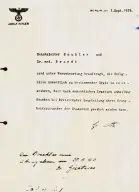
Hermann Göring and Reinhard Heydrich, head of the RSHA
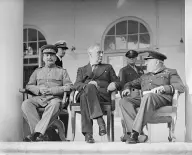
Franklin D. Roosevelt and Winston Churchill
Joseph Stalin and the Soviet supreme command (Stavka)
Henry J. Kaiser, construction and shipbuilding industrialist (Richmond, California)
Adolf Hitler and the German high command (OKH)
SS-Obergruppenführer Friedrich Jeckeln, Higher SS and Police Leader for the South
Joseph Stalin and Lavrenty Beria (NKVD)
Ordnance Department, responsible for rifle procurement
A Leningrad food-supply official
Iosif Orbeli, director of the Hermitage Museum, Soviet orientalist and academician
Carl Gustaf Emil Mannerheim, Field Marshal and Commander-in-Chief of the Finnish Armed Forces
A trade union leader in Oslo
Lieutenant-Commander J. C. Hibbard, Senior Officer Escort, Convoy SC-42, HMCS Skeena
Charles Lindbergh, aviator and spokesman for the America First Committee, United States
Mikhail Kirponos, general commanding the Southwestern Front
You play a French nurse
You play a Soviet kolkhoznik in the path of the German advance
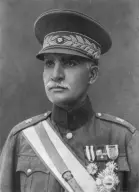
Reza Shah Pahlavi, in Tehran
A worker at the Kharkov tank factory
Xue Yue, Chinese general commanding the 9th War Area
A Jewish schoolteacher in Berlin
Erich von Manstein, general commanding the German 11th Army
Sir John Anderson, Lord President of the Council, United Kingdom
Reinhard Heydrich, Acting Reich Protector of Bohemia and Moravia
A Jewish family of Kiev
An inhabitant of Kiev, neighbor to a Jewish family
Heinz Guderian, general commanding the 2nd Panzer Group
Walter Dornberger, head of the Army's rocket programme
W. Averell Harriman, special envoy of President Roosevelt, head of the American mission in Moscow
Madame G., concierge in a Parisian apartment building
A female student in the Warsaw Ghetto
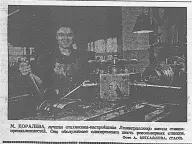
A woman worker at the Kirov Plant in besieged Leningrad
A volunteer of the opolchenie (people's militia) of Moscow
Joseph Goebbels, Reich Minister of Propaganda
Georgy Zhukov, general charged with the defense of Moscow
A sergeant of the Spanish Volunteer Division (División Azul), Novgorod sector, Eastern Front
Metropolitan Sergius (Sergei Stragorodsky), locum tenens of the Moscow Patriarchate
René Carmille, Inspector General of the Army and head of the National Statistics Service
Vyacheslav Malyshev, People's Commissar for the Tank Industry of the USSR
A Jewish schoolteacher and diarist of the ghetto
Richard Sorge, Soviet intelligence agent in Tokyo
The Soviet command at Odessa (Odessa Defensive Region)
A peasant of the Bryansk forests
A Jewish family head in Frankfurt am Main
A physics student at Moscow University
A Moscow factory worker
An NKVD engineer in Moscow
Joseph Stalin, Chairman of the State Defence Committee (GKO)
A Canadian escort commander of a North Atlantic convoy
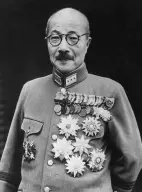
Hideki Tojo, general and new Prime Minister of Japan
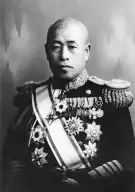
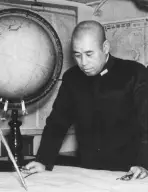
Isoroku Yamamoto, commander-in-chief of the Japanese Combined Fleet, admiral
A Soviet combat engineer tasked with mining Kharkov
Wehrmacht officer in occupied Serbia, executor of the reprisal order
German quartermaster officer, commandant of a transit camp (Dulag) in occupied Ukraine
A peasant of Šumadija, in occupied Serbia
The French authorities of the Choisel camp
A Romanian officer in occupied Odessa
Worker organizer of the Tula defense committee, USSR
A clandestine Communist Party (PCF) resistance official, armed Resistance, Paris region
You play a Serbian primary-school teacher in occupied Belgrade
Colonel Draža Mihailović, leader of the Chetniks, Kingdom of Yugoslavia
A non-commissioned officer of the Lithuanian auxiliary police assigned to the Ninth Fort, Kaunas
General Heinz Guderian, 2nd Panzer Army
Franklin D. Roosevelt, President of the United States
A railwayman from Kharkov
Vice Admiral Filipp Oktyabrsky, defense of Sevastopol
General Giovanni Messe, commander of the Italian Expeditionary Corps in Russia (CSIR)
A Red Army sergeant, captured during the Kiev pocket and held in a German transit camp in occupied Ukraine
A parish priest in the Archdiocese of Kraków, occupied Poland (General Government)
Nagano Osami, Chief of the Naval General Staff of the Imperial Japanese Navy, admiral
Franklin D. Roosevelt, President of the United States
Joseph Stalin, in Moscow
A Republican senator from the Midwest, facing the vote on revising the American Neutrality Act (documented composite case)
General Kirill Meretskov, Tikhvin sector
The commander of the aircraft carrier HMS Ark Royal
A medical student in Belgrade
A mother in occupied Athens
A German soldier of the 4th Army, on the road to Moscow
Officer of the 316th Rifle Division (Panfilov Division), Soviet Red Army
Andrei Zhdanov, Communist Party chief in Leningrad and member of the Leningrad Front's Military Council
Andrei Zhdanov, First Secretary of the Party and head of the defence of Leningrad
Karl Dönitz, Vice-Admiral and Commander-in-Chief of German submarine forces (BdU)
The besieged garrison of Tobruk (General Scobie)
A mother in besieged Leningrad
Claude Auchinleck, British Commander-in-Chief, Middle East
General Erwin Rommel, Panzergruppe Afrika
Admiral Andrew Cunningham, Commander-in-Chief of the Mediterranean Fleet, Royal Navy, United Kingdom
Ambassador Kichisaburō Nomura, in Washington
General Guglielmo Nasi, Italian East Africa
Gerd von Rundstedt, field marshal commanding Army Group South
Captain Mohan Singh, officer of the 1st Battalion, 14th Punjab Regiment, prisoner of the Japanese
The Japanese imperial government (Imperial Conferences of 1941)
General Georgy Zhukov, commander of the Western Front
Vannevar Bush, Director of the OSRD
Takeo Yoshikawa, Japanese naval intelligence agent in Honolulu
Vice Admiral Chūichi Nagumo, commander of the Kidō Butai carrier force
You play a hospital doctor in besieged Leningrad
Alexander Voznesensky, rector of Leningrad State University
Admiral Sir Tom Phillips, commander of Force Z
Max Kaufmann, a Riga Jew who survived the ghetto and was assigned to the work columns
Adolf Hitler, Reich Chancellor
You play a veteran of the Latvian army in occupied Latvia
Fritz Todt, head of the Organisation Todt
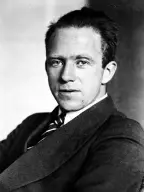
Werner Heisenberg, physicist at the University of Leipzig, member of the Uranverein
Aleksey Glagolev, Ukrainian Orthodox priest of the Church of the Intercession (Pokrov), Podil district, Kyiv
Commander Frederic Walker, leading the escort group of convoy HG-76 (Gibraltar–United Kingdom)
Ernest Bevin, Minister of Labour and National Service
Adolf Hitler, Chancellor and Supreme Leader of the Reich
Claire Chennault, commander of the American Volunteer Group in the service of China
Franklin D. Roosevelt and Winston Churchill, at the Arcadia Conference
Vice Admiral William Pye, acting commander of the Pacific Fleet
General Douglas MacArthur, Commander of US and Philippine Forces (USAFFE)
Admiral Émile Muselier, commander of the Free French Naval Forces
Major-General Christopher Maltby, commanding the Hong Kong garrison
General Dmitri Kozlov, commander of the Transcaucasus Front
General Erich von Manstein, commander of the German 11th Army
Szlama Ber Winer, a Jew from Izbica Kujawska forced into the Chełmno Sonderkommando
Jean Moulin, General de Gaulle's delegate in the Southern Zone
Franklin D. Roosevelt, President of the United States, with Winston Churchill
Joseph Stalin, head of the Soviet government and the Stavka
Lieutenant-General Lewis Heath, commanding III Indian Corps in Malaya
Ivan Konev, Soviet general commanding the Kalinin Front
Jakob Edelstein, first Elder of the Council of Elders (Ältestenrat) of the Theresienstadt ghetto
Andrei Yeryomenko, general commanding the Soviet 4th Shock Army
Captain Homer Wallin, officer in charge of salvage operations at Pearl Harbor
An ordinary German civilian in Berlin
Admiral Karl Dönitz, commander of the U-boat arm (BdU)
General Sir Archibald Wavell, Supreme Commander-designate of ABDACOM
Admiral Sir Dudley Pound, First Sea Lord
Winston Churchill and the British War Cabinet
Isaak Zaltsman, director of the Kirov tank plant in Chelyabinsk (Urals)
Reinhard Hardegen, commander of the submarine U-123, Kriegsmarine
Donald M. Nelson, Chairman of the War Production Board
Vannevar Bush, Director of the OSRD, scientific adviser to Roosevelt
Reinhard Heydrich, head of the Reichssicherheitshauptamt, chairing the Wannsee Conference
A Soviet tank officer of an independent tank battalion
General Erwin Rommel, commander of Panzergruppe Afrika
President Getúlio Vargas, head of the Brazilian state
Charles Anderson, Australian lieutenant-colonel commanding the Australian-Indian force encircled at Parit Sulong (Malaya)
Lieutenant-Colonel John Scanlan, Commanding Officer, Lark Force
Commander Paul Talbot, commanding a destroyer division, aboard USS John D. Ford
An American neighborhood shopkeeper
Generalmajor Theodor Scherer, commander of the encircled German garrison at Kholm (Cholm), northern sector of the Eastern Front
Admiral Ernest King, Commander in Chief, United States Fleet
Rodger Winn, head of the Submarine Tracking Room (Admiralty)
Generalissimo Chiang Kai-shek, head of the Chinese Nationalist government
Vice Admiral William Halsey, commanding Task Force 8 (carrier Enterprise)
Lieutenant-General Sir William Dobbie, Governor and Commander-in-Chief of Malta
André Trocmé, pastor of the Reformed Church of Le Chambon-sur-Lignon
John Scott, Australian lieutenant-colonel commanding Gull Force on Ambon (Dutch East Indies)
General Neil Ritchie, commander of the British Eighth Army
A Parisian mother under the Occupation (generic role)
Albert Speer, chief architect of the Reich
Adolf Hitler, Supreme Commander of the Reich
An American-Filipino soldier of the Bataan garrison (documented composite case)
A teenage Jewish smuggler in the Warsaw Ghetto
Kirill Meretskov, army general, commander of the Volkhov Front
An American woman applying for work in a Detroit war plant
Junio Valerio Borghese, frigate captain commanding the submarine Scirè and head of the Decima Flottiglia MAS underwater operations
Lieutenant-Commander Eugene Esmonde, 825 Naval Air Squadron
You play a British conscientious objector summoned before a local tribunal (Conscientious Objection Tribunal)
Sir Charles Portal, Chief of the Air Staff, RAF
Admiral Andrew Cunningham, Commander-in-Chief of the British Mediterranean Fleet
Lieutenant-General Arthur Percival, commanding Commonwealth forces in Malaya
Emanuel Ringelblum, historian and organiser of the Warsaw Ghetto's clandestine archives
Stanisław Kozak, a Polish worker from the town of Bełżec conscripted for the first buildings of the camp
Henry Gordon Bennett, major general, commanding the 8th Australian Division at Singapore
A mayor of a Florida seaside resort town
A Royal Canadian Navy escort corvette commander
Irene Drummond, matron of the Australian Army Nursing Service, senior survivor of the sinking of the Vyner Brooke
A young Chinese man of Singapore summoned to a Kempeitai checkpoint
A captain of a U.S. Merchant Marine tanker
Franklin D. Roosevelt, President of the United States
The Australian government
Karel Doorman, Dutch rear admiral commanding the ABDA naval squadron in the Dutch East Indies
Léon Blum, former Popular Front Prime Minister, defendant at the Riom trial
Major Alexander Spence, commanding the 2/2nd Independent Company (Sparrow Force)
The teachers of Norway
Ignacy Schwarzbart, Jewish representative on the Polish National Council attached to the Polish government-in-exile in London
Friedrich-Wilhelm Morzik, colonel and chief of air transport (Lufttransportführer Ost) of Luftflotte 1
A clandestine radio operator of the Norwegian resistance (Milorg), liaising with Britain's SOE
Admiral Arturo Riccardi, Under-Secretary of State and Chief of Staff of the Regia Marina
John Curtin, Prime Minister of Australia
John Smyth ("Jackie" Smyth), British major-general commanding the 17th Indian Division in Burma
The British commander-in-chief responsible for Ceylon
General Thomas Hutton, Commander of British Forces in Burma
An Indian labourer in Rangoon, a member of Burma's Indian community facing the Japanese advance
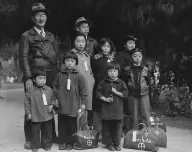
A Japanese Canadian from British Columbia (documented composite case)
Rear Admiral Karel Doorman, commanding the ABDA Strike Force
Commodore Louis Mountbatten, Chief of Combined Operations
General Dmitri Kozlov, commander of the Crimean Front
Philippe Leclerc (Philippe de Hauteclocque), brigadier general commanding Free France's forces in Chad
Captain Hector Waller, commanding HMAS Perth and senior officer of the Allied force
John Tovey, admiral commanding the British Home Fleet, Scapa Flow
Joseph Stilwell, American general, chief of staff to Chiang Kai-shek and commander of US forces in China-Burma-India
Admiral Isoroku Yamamoto, Commander in Chief of the Combined Fleet
Adolf Hitler and the Army Ordnance Office, arbiters between the Henschel and Porsche designs
A Japanese American head of household in Tulare County, a farmer ordered to leave his farm
Cioma Schönhaus, a young Berlin Jew, graphic-arts student and forced labourer
The staff of Western Approaches Command, in Liverpool
Kapitänleutnant Günter Poser, commanding the submarine U-202, in the North Atlantic
Dr Chester Keefer, chairman of the Committee on Chemotherapy of the National Research Council
Vittorio Valletta, managing director of Fiat
You are a Danish fisherman on the Oresund coast
Brigadier Ivan Dougherty, commanding the Australian 21st Brigade (7th Division), in the Finisterre Range