After Dunkirk and under the blows of the Luftwaffe, Britain depends on its ability to produce fighters faster than they are destroyed. Yet aircraft production is concentrated in a few large sites, within reach of the German bombers.
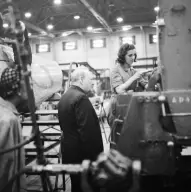
, a press magnate who became Minister of Aircraft Production in May 1940, inherited a network of "shadow factories" meant to duplicate the production lines elsewhere in the country. But the pace remains insufficient against the urgency.
A single bomb on a major site could cripple the Spitfire or Hurricane fleet at a stroke. Beaverbrook must decide on the industrial strategy to adopt at the height of the battle.
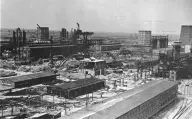
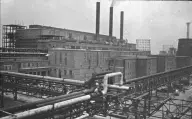
Beaverbrook bet on intensifying the existing factories while organising a dispersal of the industrial fabric within the country itself. As early as May 1940 he had taken back control of the failing Castle Bromwich plant, entrusted to Vickers, which became a pillar of Spitfire production. After the destruction of the Southampton factories in late September 1940, he ordered the immediate dispersal of production into requisitioned garages and workshops across southern England. He rejected the idea of a massive relocation abroad, keeping the bulk of production on British soil.
T05-049