On 28 October 1939, the anniversary of Czechoslovak independence, demonstrations against the occupation break out in Prague. The medical student is shot and wounded; he dies on 11 November. His funeral on 15 November turns into a patriotic demonstration.
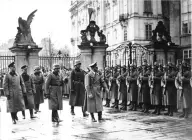
In reprisal, during the night of 16 to 17 November 1939, the German police and the SS storm the student hostels of Prague and . More than 1,200 students are arrested and sent to the concentration camp; 9 alleged ringleaders are shot without trial. All Czech universities are closed for 3 years.
A medical student at has escaped the raid: that night he was not sleeping in his hostel. He no longer has lectures or any prospect of a degree, and he knows the Gestapo is drawing up lists. Since the autumn, young Czechs have been slipping across the borders through Slovakia, Hungary and Yugoslavia to join the Czechoslovak army re-forming in France; others are joining resistance networks at home.
You are that student. You can stay in the Protectorate, keep your head down and look for work while waiting for the promised reopening; attempt the dangerous journey to the army in exile; or join the clandestine resistance in Prague, at the risk of being caught.
Most of the students still at liberty stay in the Protectorate: barred from study, they look for work, and the Protectorate government itself has to organise jobs for the young people driven out of the faculties. The closure, announced for 3 years, lasts until the end of the war. A minority chooses exile: through Slovakia, Hungary, Yugoslavia and the Balkans, some reach Beirut and then France, where Czechoslovak units are forming at Agde; others join the resistance at home. The 1,200 or so students rounded up are released in groups until 1943; between 18 and 35 of them, depending on the source, die in captivity. The 9 men shot on 17 November, among them , , and the historian , make the date International Students' Day.
T01-128