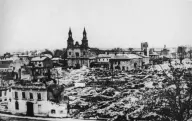
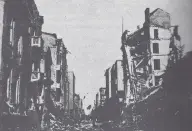
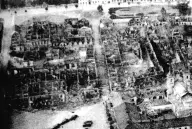
Helsinki was bombed for the first time on 30 November 1939 at 09:20 — the opening act of the Winter War. The Soviet stated target: "military objectives". The real target: the civilian centre. Tupolev SB-2s of the VVS RKKA (Red air force), formations of 8 to 12 aircraft, without fighter escort.
Over the 105 days of the conflict Helsinki would be bombed only 8 times, but other towns (Turku, Tampere, Lahti, Lappeenranta) were struck in turn, and every alert raised fears of a massive raid on the capital.
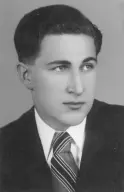
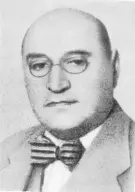
Helsinki's civil defence was organised by , a civil engineer of 51. The levers available were many: underground shelters (the city built 320 new ones in 6 months, with capacity for 250,000 people), siren alerts (the first Scandinavian system), blackout (extinction of public lighting), and the management of population movement. With limited means and an exposed population of 350,000, Aalto-Setälä had to choose his priority between evacuation, fortification of shelters and mobility.
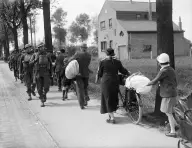
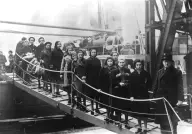
Civil defence put its priority on the maximum evacuation of civilians to the provinces and to Sweden: a large part of the non-essential population left Helsinki, and some 9,000 Finnish children were taken in by Sweden during the Winter War. Shelters were completed in parallel for those who stayed. Helsinki was bombed only 8 times during the conflict: some 350 bombs killed about 100 people there, 91 of them on 30 November 1939 alone. Across Finland, air raids killed nearly 1,000 civilians. The child evacuation reached its full scale during the Continuation War: in all, some 70,000 sotalapset ("war children") went to Sweden by 1945, and about 10 percent of them never came back to live in Finland. The capital would pay more heavily in 1944, during the great Soviet raids of February.
T02-043