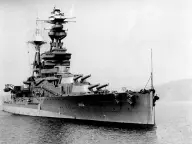
HMS Glowworm (G-class) is a 1,350-ton British destroyer, commissioned in 1936. On 7 April 1940, she is detached from the escort of the battlecruiser HMS Renown, bound for the waters off Narvik, to search for a man overboard. Thick fog, heavy seas.
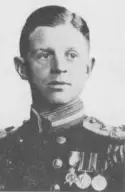
Lieutenant-Commander , 35, commands the ship. Shortly before 08:00 on 8 April, his lookouts spot 2 German destroyers in the fog, north-west of Trondheim. Roope signals the event by radio to the Admiralty and engages.
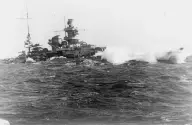
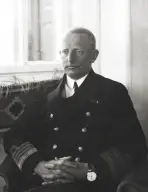
A surprise: behind the destroyers is the heavy cruiser Admiral Hipper — flagship of the German invasion fleet heading for Trondheim. 14,000 tons, 8 203 mm guns, 80 mm armour. The Glowworm is technically without recourse against an opponent 16 times more heavily armed. The Hipper, commanded by Kapitän zur See , opens fire at 9,000 metres. First hit: the Glowworm's bridge is wrecked. Several successive salvoes destroy the destroyer's superstructure. The ship is mortally wounded.
Roope has a few minutes to decide the fate of his destroyer and of the survivors of his crew.
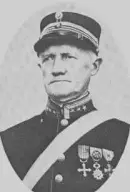
Roope chooses to ram the Hipper, a tactical sacrifice to damage the flagship. The Glowworm charges the Hipper at full speed (34 knots) and rams her starboard flank. A massive impact: 40 metres of the Hipper's hull are torn open, water floods several compartments. The cruiser takes on a 4-degree list. The Glowworm explodes and breaks in 2; 109 British sailors go down with her. The Hipper picks up some 40 survivors, several of whom later die of their wounds; Roope, exhausted, loses his grip on the rope hauling him up the hull and drowns. Heye resumes his course: the Hipper lands her mountain troops at Trondheim on 9 April, then returns to Wilhelmshaven on 12 April for about 2 weeks of repairs. Heye sends a letter of commendation to the Royal Navy commander via the Red Cross — a rare gesture. Roope is awarded the Victoria Cross posthumously — the first VC of the naval war, and the first VC granted on the basis of an enemy officer's testimony. Heye survives the war, sits in the Bundestag from 1953 to 1961, then serves as Wehrbeauftragter, the parliamentary commissioner for the armed forces (1961-1964), and dies in 1970.

T03-010