The Halcyon-class minesweeper is sweeping on the morning of 3 February 1940 with and , some 15 miles north of , at the mouth of the . Since the autumn, German mines have infested British coastal waters, and Luftwaffe bombers are on the lookout for the ships that sweep them.
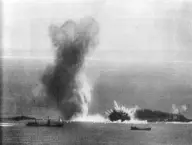
Around 9 a.m., German aircraft burst out of the snow showers. A bomb hits the front of the bridge, passes through the forecastle deck and explodes on the mess deck. Commander , the ship's captain, is killed on the bridge; the sick bay is destroyed.
The forward boiler-room bulkhead holds, and Sphinx is still afloat. But her bow is torn open, the sea is rising and the wind is freshening. , standing by, could take her in tow, but the coast is far off and the weather is worsening by the hour.
You are the senior officer still fit for duty aboard. You can transfer the crew to the escorts at once, while the sea still allows it; keep everyone aboard and try to bring the ship home under tow; or keep only a reduced party for the tow and transfer the others.
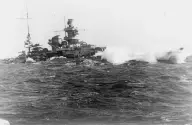
The crew stays aboard and Sphinx is taken in tow. Around noon passes the line, with the minesweeper keeping her engines at slow astern; the cable parts after an hour, takes over, then the tow parts again around 7.30 p.m., as night falls, and an attempt by fails. In a gale, listing 20 degrees, her bow battered by the sea, the ship is kept afloat by pumping and bailing while the crew waits for daylight; a few men manage to jump across to the destroyer . At about 4.30 a.m. on 4 February, some 17 hours after the bomb, a wave throws her over and she capsizes. Between 49 and 54 men are lost, depending on the source; picks up 46 survivors. The wreck drifts ashore 2 miles north of and cannot be salvaged. Sub-Lieutenant , the senior surviving officer, is appointed OBE for keeping up the men's spirits on a Carley float and saving at least one of them.
T02-045