Phillips and Force Z — sail without air cover?
Admiral Sir commands , Britain's most powerful concentration of capital ships in the Far East: the battleship HMS and the battlecruiser HMS , escorted by destroyers, have been anchored at since 2 December 1941. From 8 December onwards, Japanese troops land simultaneously in and Thailand; invasion convoys hug the east coast, theoretically within reach of an offensive sortie. But air cover is unavailable: HMS , meant to complete the force, ran aground during her transit, and the RAF on the Malay peninsula is overwhelmed, its forward airfields falling one by one.
The stakes are twofold. Intervening quickly could disrupt the flow of Japanese reinforcements and send a strong political signal to and . Yet without fighter escort, the 2 ships would sail exposed to Japanese shore-based naval aviation operating out of — whose range and accuracy against manœuvring targets Phillips seriously underestimates.
Phillips must decide before dawn. He can sail north without waiting for fighter cover, gambling on surprise and on his ships' anti-aircraft defences; he can instead keep at anchor in and play the fleet-in-being card, tying down Japanese forces without risking catastrophe; or make any sortie conditional on a firm guarantee of RAF air cover, even at the cost of losing the initiative.
South China Sea, 10 December 1941, commander of Force Z: how to engage the Japanese invasion fleet without air cover?
Phillips sailed on 8 December without fighter cover. Spotted by a submarine and then by reconnaissance aircraft, was attacked on 10 December by 85 bombers and torpedo bombers based in . Within less than 2 hours, both and were sunk; about 840 men died, including Phillips himself. It was the first time in naval history that capital ships manœuvring freely on the open sea were destroyed by air power alone — a decisive demonstration that ended the supremacy of the battleship.
Learn more about this event
Related polls
10
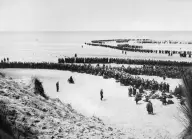
Ramsay at Dover Castle — Dynamo
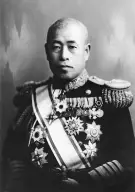
Pearl Harbor: force the raid or yield?
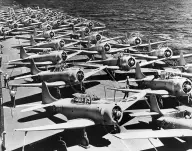
Wake: should a carrier be risked to save the garrison?
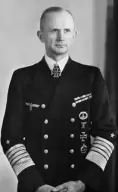
Dönitz and Operation Drumbeat
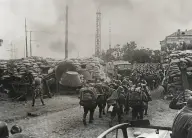
Odessa: evacuate or hold the siege?
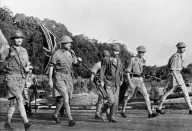
Percival and Yamashita's Ultimatum
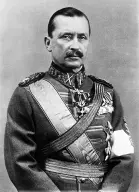
Mannerheim at the Svir
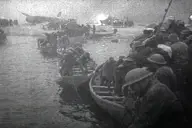
Dunkirk — Tennant and the devastated port
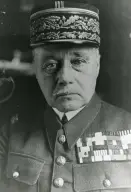
Gamelin at Vincennes — a Doctrine to Choose
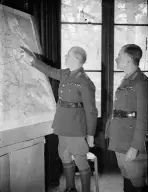
Gort at Habarcq — trust in the French plan
Ramsay at Dover Castle — Dynamo
Pearl Harbor: force the raid or yield?
Wake: should a carrier be risked to save the garrison?
Dönitz and Operation Drumbeat
Odessa: evacuate or hold the siege?
Percival and Yamashita's Ultimatum
Mannerheim at the Svir
Dunkirk — Tennant and the devastated port
Gamelin at Vincennes — a Doctrine to Choose
Gort at Habarcq — trust in the French plan
T10-013