Admiral , Commander-in-Chief of the British Mediterranean Fleet, is following from Alexandria an operation on which Malta's survival depends. The island, besieged and pounded by Axis aircraft, is almost out of flour and fuel, and awaits these supplies as a reprieve.
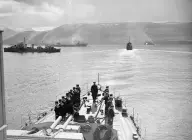
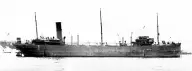
On 12 February 1942, 3 cargo ships, the , the and the , left Alexandria in 2 groups as convoy MW 9, escorted by the anti-aircraft cruiser Carlisle and destroyers. A few hours later, Rear-Admiral sailed with the and 8 destroyers to cover them. The route runs within range of the Axis airfields.
On the 13th, the , hit by bombs, had to divert to Tobruk. On the 14th, the , struck in turn, caught fire and had to be sunk. The , crippled by a near miss, is taken in tow, but she cannot reach Malta before nightfall, and the escort learns that the Italian battleship has left Taranto.
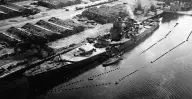
Cunningham must decide: keep towing towards Valletta under the protection of Vian's squadron, despite the threat from the Duilio; divert the towed ship to Tobruk, like the ; or sink the and bring the escort back to Alexandria.
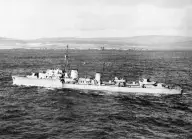
Cunningham orders the to be sunk: unable to reach Malta before nightfall, with an Italian battleship reported at sea, the cargo ship is scuttled by the destroyer Lively, and turns east at dusk with those of his ships fit to make it back to Alexandria. The toll is heavy: the and the are lost, and the damaged has taken refuge in Tobruk before returning to Alexandria. Not one sack of food reaches Valletta; only the safe passage east of the empty ships that had left Malta offers the Royal Navy some small consolation. Malta stays strangled: in March, convoy MW 10, which Vian defends at the Second Battle of Sirte, lands only about 5,000 tons of supplies, and it would take , in August 1942, to loosen the grip.
T10-103