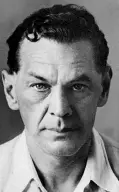
, a German journalist and secret agent of Soviet military intelligence (GRU), runs an elite network in Tokyo — including , an adviser close to the circles of power. In 1941 he transmitted the date of Barbarossa (which ignored), then the decisive intelligence: Japan would "strike south," toward the Pacific, and not north against the USSR.
In the autumn of 1941, the political police (Tokkō) trace the chain: arrests yield names. Sorge senses the danger. Continuing to transmit the final confirmations — which would let Moscow strip the Far East of its forces — means staying exposed; survival would require him to fall silent, flee, or sabotage his own network.
Between the mission and his own skin, the spy must choose.
Sorge carried on with his work; Ozaki was arrested on 15 October 1941, Sorge on the 18th, and some 30 members of the network fell with them. His intelligence — combined with Soviet codebreaking — assuring that Japan would attack in the south allowed the Siberian divisions to be transferred to Moscow, decisive for the December counter-offensive. Sorge was hanged in Tokyo on 7 November 1944; the USSR recognised him as a hero only in 1964.

T09-020