, 56, a Georgia Democrat, has chaired the House Naval Affairs Committee since 1931; he has already steered through the naval acts of 1934 and 1938. On 14 June 1940 signs a third Vinson act, which raises the fleet's combat tonnage by 11%.
The same day, the enters Paris. On 17 June France asks for an armistice. Americans discover that they could find themselves alone, facing Germany in the Atlantic and Japan in the Pacific, should the French fleet, or even the , fall into the hands of the Axis.
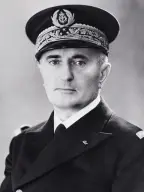
That 17 June, Admiral , Chief of Naval Operations, asks Congress for 4 billion dollars to enlarge the fleet by 70%: 257 ships and 1,325,000 tons, enough to hold 2 oceans at once. Isolationists denounce a rush to war, and the presidential election of November is approaching.
Vinson must choose his tempo: take the whole programme to the House at once, in a few days of debate; wait until after the November election to spare a divided public; or propose a scaled-down version that is easier to pass.
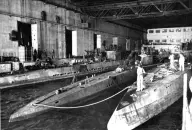
Vinson takes the whole programme to the House at once. On 19 June 1940 he introduces the bill that becomes the ; the House passes it within days without a single vote against (316 to 0), the Senate follows on 10 July and signs it on 19 July. Raised to 8.55 billion dollars, the authorisation provides among other things for Essex-class aircraft carriers, Iowa- and Montana-class battleships, 115 destroyers, 43 submarines and 15,000 aircraft: the largest naval construction act in American history, enlarging the fleet by 70%. Vinson argues for the priority of the aircraft carrier, “the backbone of the Navy today”. The ships built under this act form the core of the fleet that wins the Pacific War; the Montana-class battleships, for their part, are cancelled. Vinson will dominate naval and military affairs in Congress until 1965 and dies in 1981, aged 97.
T02-075