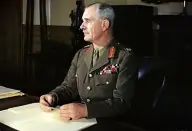
General , High Commissioner and commander of the Vichy forces in the Levant, controls Syria and Lebanon under French mandate. In the spring of 1941, Vichy turned these territories into a transit point for German air aid to the Iraqi revolt, a concession soon written into the Paris Protocols: Luftwaffe aircraft passed through the Syrian airfields, alarming the British.
For London and De Gaulle's Free France, this breach is unacceptable: to let the Axis establish itself in the Levant would threaten Egypt, the Suez Canal and the oil of the Middle East. On 8 June 1941, they launch Operation Exporter: British, Australian, Indian and Free French troops enter Syria from Palestine and Iraq.
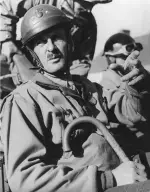
Dentz commands about 35,000 men — colonial troops and units that have remained loyal to Vichy. He faces an agonising dilemma: to put up a serious resistance against former allies and against fellow Frenchmen, in the name of Vichy's legality and military honour; to wage only a token fight to save appearances; or to yield to spare a fratricidal clash. The first skirmishes quickly turn into a French-against-French war.
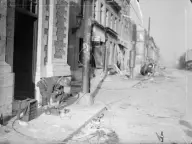
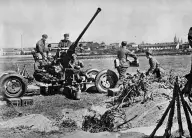
Dentz puts up a serious resistance, in the name of loyalty to Vichy: his troops resist fiercely for more than 5 weeks, inflicting heavy and unexpected losses on the attackers. Damascus falls on 21 June, but the fighting continues until mid-July, and the confrontation between Vichy Frenchmen and Free Frenchmen leaves deep wounds. The Armistice of Saint-Jean-d'Acre, on 14 July, ends the campaign. The reckoning is bitter: about a thousand dead on each French side, and the great majority of Dentz's soldiers will choose to return to metropolitan France rather than rally to de Gaulle — a cruel disappointment for Free France. The Syrian campaign nonetheless secures the Allied flank of the Middle East and deprives the Axis of a base in the Levant.
T08-001