, an economist who became rector of in 1941, heads an institution caught in a trap: since 8 September the encirclement of the city by German and Finnish forces has been closed. has chosen to starve Leningrad rather than take it by storm, and the bread ration has fallen to 125 grams a day for dependants.
Famine strikes without distinction: professors and students are weakened by dystrophy, the lecture halls are freezing, fuel is lacking. Mortality would reach up to 100,000 deaths a month in January–February 1942.
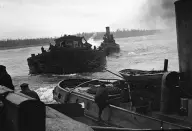
Keeping up teaching in such conditions would expose everyone to dying of starvation at their post; suspending it would mean extinguishing an emblematic institution of the besieged city. A partial way out exists: the Road of Life, a track laid across the ice of , allows evacuation to the rear, in a trickle and under the threat of bombing.
Voznesensky must decide: keep all courses going without evacuating anyone; continue teaching while sending part of the staff and students away; or suspend the university and evacuate it wholesale.
kept teaching through the winter of the siege while organising the evacuation of part of its people. Under , classes continued for small groups in unheated rooms, at the cost of a great many deaths from hunger among professors and students. In early 1942, several hundred professors, students and staff, with their families, were evacuated over the ice road across to , a university city chosen at Voznesensky's insistence; the university resumed its work there on 1 April 1942 and remained until 1944. Voznesensky survived the siege but was arrested in 1949 in the , executed in 1950, then rehabilitated in 1954.
T10-008