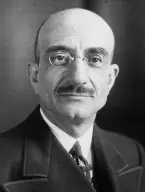
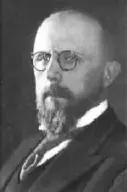
, a former socialist turned "neo-socialist," has been mayor of Bordeaux since 1925. On 12 June 1940 his city is about to become, against its will, the capital of France: the government, which has fled Paris for Tours, will fall back here on 14 June, followed by parliamentarians, embassies, and successive waves of refugees from the North.
Bordeaux normally has about 260,000 inhabitants. In one week the population climbs toward 600,000, perhaps 800,000. The Pellegrin hospital overflows, bakeries are empty, petrol is rationed, the grand hotels (Splendid, Normandie) are full. Marquet must, in 48 hours, house ministries, lodge a crowd, and feed a city that has tripled in size.
The ministries demand premises, refugees pour in by the thousand, and resources are short everywhere. Marquet, at the crossroads of municipal administration and a national power in flight, must choose a method: requisition everything, divert the flow further south, or let the market sort itself out.
Marquet relies above all on requisitions: hotels, schools and public buildings are mobilised to house the ministries, the parliamentarians and some of the refugees, in a saturated city. On 23 June he himself joins Pétain's government as Minister of State, before becoming Minister of the Interior on 27 June. His trajectory then tips toward collaboration: at the Liberation he will be sentenced in 1948 to 10 years of national degradation. The Bordeaux episode of June 1940 illustrates how military collapse disorganizes the rear, and how local notables find themselves, in a few days, arbitrating the fate of hundreds of thousands of people.


T04-015